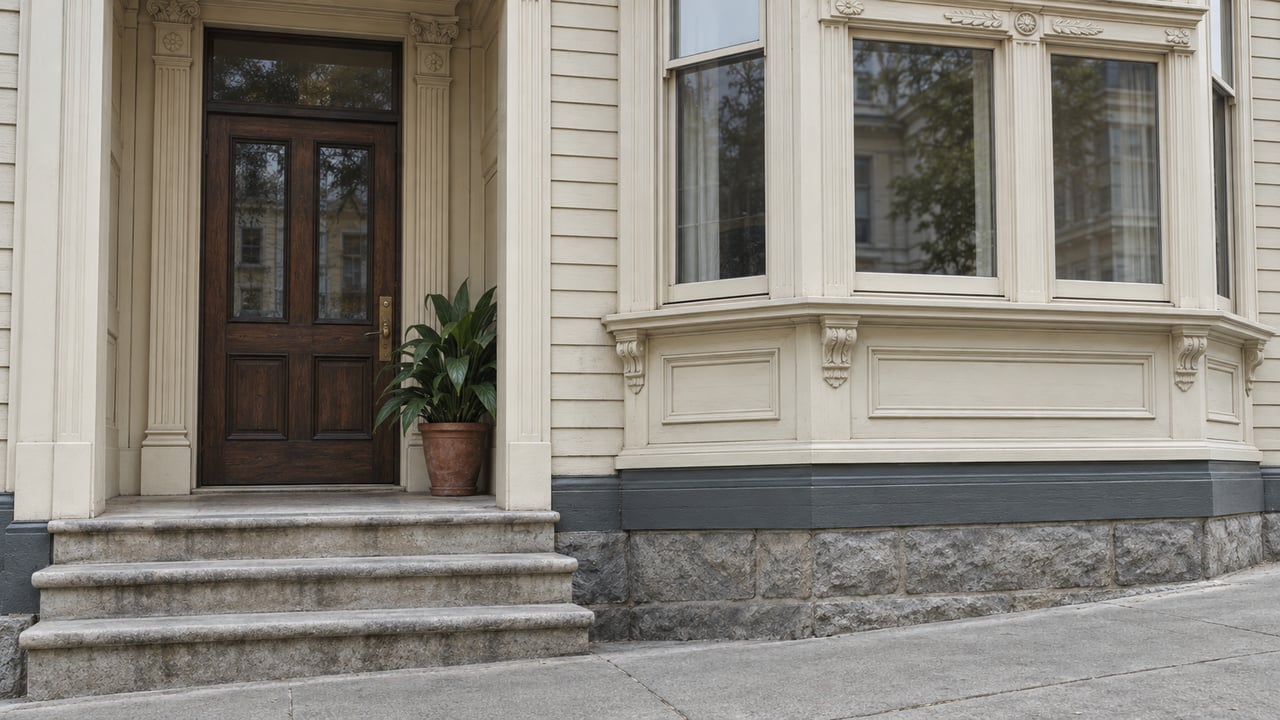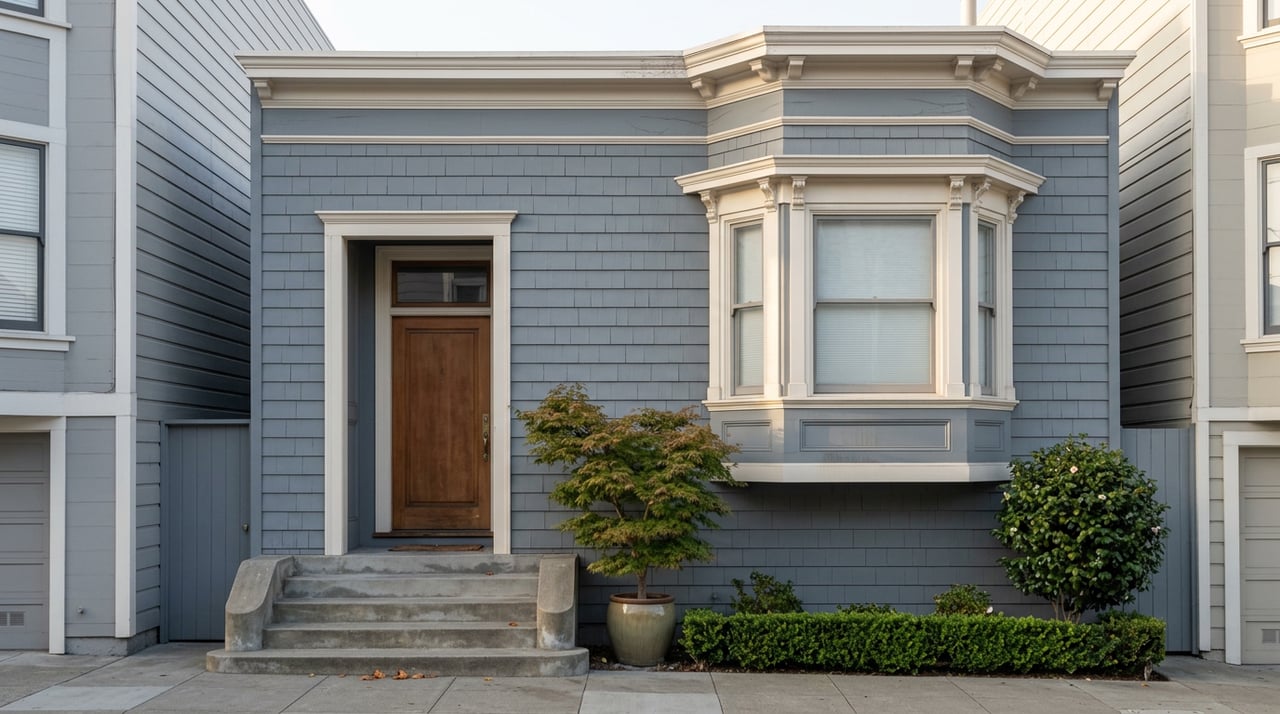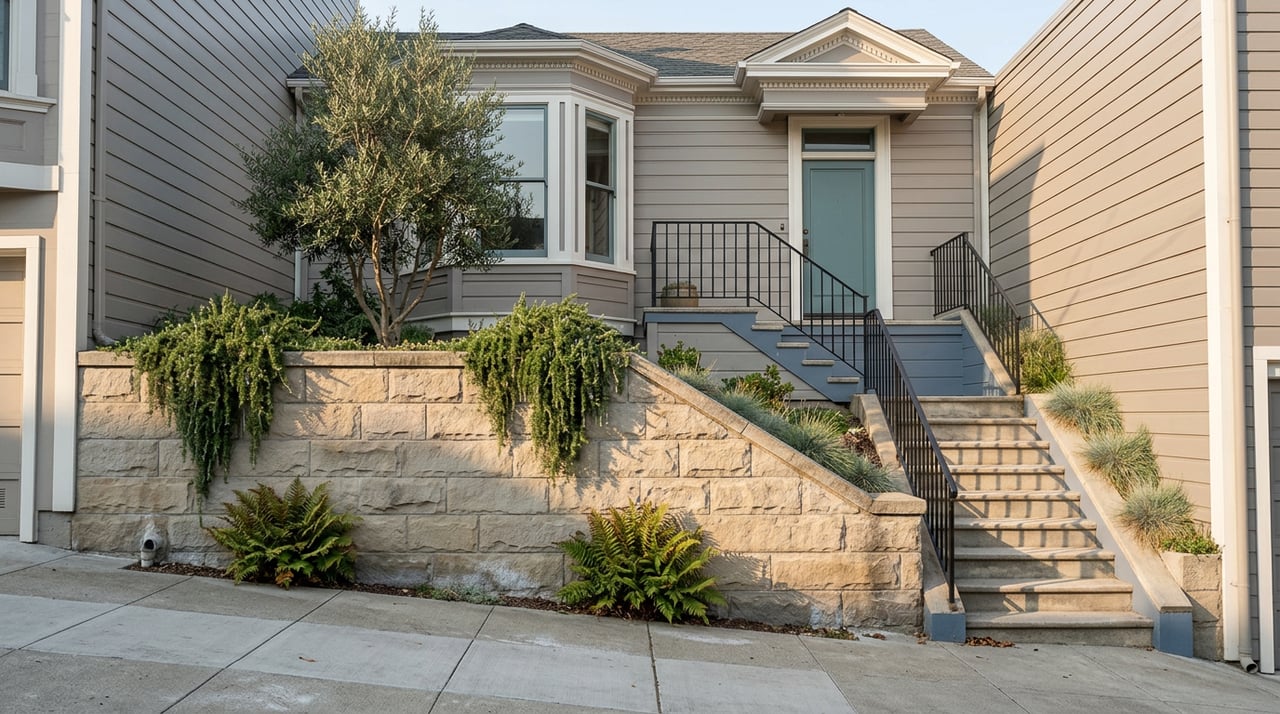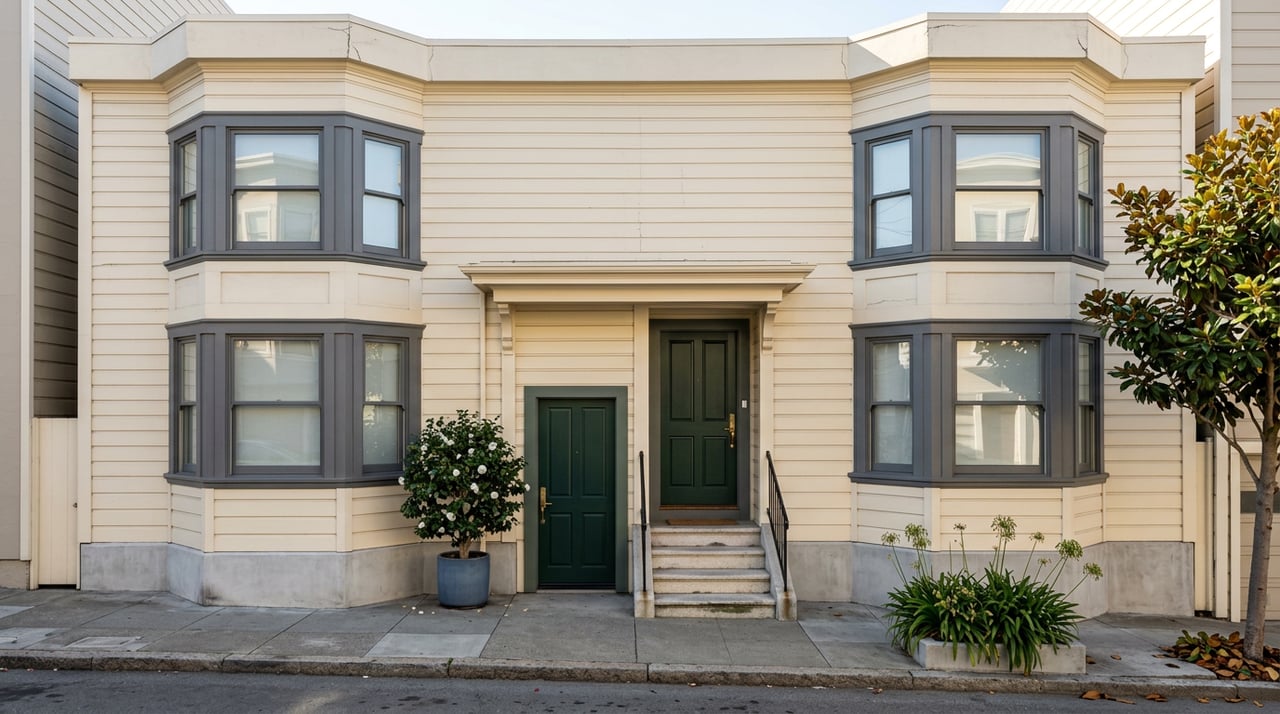
A two-bedroom condo at 1700 Gough Street, on the corner of Gough and California, listed for $895,000. It sold for $950,000, six percent over asking, in under ten days, with multiple offers on the table. Roughly $969 a square foot, deeded parking included.
A tenancy-in-common unit of similar size, on an equally handsome Edwardian block two streets over, would likely have taken longer to close, needed a bigger down payment, and priced meaningfully lower per square foot. Same neighborhood. Probably the same decade of construction. Different paperwork. Different price.
That gap has almost nothing to do with the kitchen or the light. It comes from how the title is legally held, and if you're comparing Lower Pacific Heights to other San Francisco neighborhoods using the median price on a portal, you're averaging together several products that don't compete with each other in the same buyer pool at all.
Why the Medians Won't Agree With Each Other
If you've checked more than one source on Lower Pacific Heights this year, you've probably already noticed the numbers don't line up. In March 2026, one widely used tracker put the sold median at $1.3 million, down sharply from the year before, based on just seven closed sales for the month. In June 2026, another source put the median closer to $1.32 million with an average sale price of $1.84 million. In August 2026, a third source showed a median asking price of $2.4 million for homes currently listed, at about $1,005 a square foot.
None of those sources is wrong. They're measuring different slices of a neighborhood built from genuinely different kinds of housing. When only seven or eight sales close in a given month, the mix of what happens to trade, a small condo one month, a converted single-family Victorian the next, swings the reported median by hundreds of thousands of dollars without the underlying market moving at all. Add a $4 million income building to a thin month's sample and the average jumps even if every individual unit priced exactly where it should have.
The takeaway isn't that the data is unreliable. It's that the median is the wrong tool for a neighborhood this mixed. What actually predicts price here is the legal structure sitting underneath the address.
Four Products, One Zip Code
Lower Pacific Heights sits in the flats below the Pacific Heights ridge, bounded roughly by California Street to the north, Geary Boulevard to the south, Van Ness Avenue to the east, and Divisadero Street to the west. Most of the housing stock is two-to-four-unit Victorian and Edwardian flats built well over a century ago, and over the decades those buildings have been split up in different ways. That history is exactly why the same-looking block can hold four separate pricing logics:
- Condominiums. San Francisco Subdivision Code section 1308(c) defines a condominium as an undivided interest in a portion of a parcel together with a separate interest in space in the building. Eligible for conventional or jumbo financing from any licensed lender.
- Tenancy-in-common (TIC) units, 3+ unit buildings. Financing runs through a small pool of specialized lenders rather than the open mortgage market.
- Two-unit TICs. A distinct category from TICs in larger buildings.
- Tenant-occupied income buildings and single-family conversions. Priced for investors or for buyers planning a full remodel, on an entirely different logic than a move-in-ready flat next door.
Two buildings that look identical from the sidewalk can carry very different price tags depending on which of these four categories they fall into, and what a buyer can actually do with the unit once they own it.
What the Structure Costs You at the Lender's Desk
The price difference is downstream of a financing difference, and it's worth walking through plainly.
| Condominium | TIC (3+ unit) | |
|---|---|---|
| Title | Separate interest in building space | TIC ownership |
| Lender pool | Any conventional or jumbo lender | Fewer than 10 specialized fractional lenders in the Bay Area, as of mid-2026 |
| Typical down payment | As low as 5-20% for qualified buyers | Commonly 15-25%, sometimes higher |
| Loan term | 30-year fixed widely available | Often adjustable-rate, with fewer 30-year fixed options than the conventional market |
A condo buyer in 2026 can shop rate against a wide field of lenders and lock a 30-year fixed. A TIC buyer is choosing from a short list of portfolio lenders who underwrite the building's TIC agreement almost as carefully as they underwrite the borrower, and an older or poorly drafted agreement can get a loan declined outright regardless of the buyer's credit. That's why condos in San Francisco have consistently commanded roughly a 5 to 15 percent price premium over comparable TICs. It isn't the buyer being irrational. It's the buyer pricing in a narrower financing runway and a smaller resale audience down the road.
San Francisco's conversion rules treat larger buildings differently on purpose.
Reading a Listing Like a Buyer Who Knows This
None of this means a TIC is a bad purchase. For a buyer priced out of condo ownership in this part of the city, a TIC can be the more realistic way into a full Victorian flat rather than a smaller condo unit. It just means the sticker price and the effective cost aren't the same number until you know which of the four categories you're looking at.
Before falling for a listing photo, it's worth asking two questions that the price sheet won't answer on its own: Is this a condo or a TIC? And does the building's TIC agreement, if there is one, actually meet the standards that today's fractional lenders require, or is it old enough to complicate financing before an offer even gets written?
The Corridor Around the Comparison
Whatever structure a buyer ends up in, most of Lower Pacific Heights life still happens along Fillmore Street, and the street has had an active year. Chef Pim Techamuanvivit, known for Michelin-starred Kin Khao and Nari, is reportedly planning a new restaurant in the former Starbucks space at 2222 Fillmore. Super Duper Burgers opened this summer at 1701 Fillmore, in the space that used to be a Burger King. And Jevikal, a Korean restaurant that started as a San Jose food truck, is preparing its first permanent location at the corner of Fillmore and Sutter.
That's the kind of texture that doesn't show up in a median price, but it matters to anyone weighing a purchase here against a similar-sized home in a neighborhood with less turnover on its main street. The Bush Street-Cottage Row Historic District, tucked just off Fillmore, still preserves its run of 1870s and 1880s Victorian cottages, and Lafayette Park sits under a mile north for anyone who wants an off-leash run or a quiet bench.
A Few Questions Worth Asking Directly
Is a TIC a worse investment than a condo? Not automatically. It's a different trade. Lower entry price and often more space for the dollar, in exchange for a smaller lender pool, typically a larger down payment, and a narrower resale audience when it's time to sell.
Will Lower Pacific Heights TICs eventually convert to condos? Conversion eligibility depends on the building and the city's process.
How do I even tell what I'm looking at before I fall for a listing? Ask directly whether the unit is a condo or a TIC, and if it's a TIC, ask to see the TIC agreement before writing an offer. A lender's underwriting standards for that document can end a deal faster than any inspection.
Comparing a median price across neighborhoods only gets a buyer so far in a market built from this many overlapping products. If you're weighing a purchase in Lower Pacific Heights, or trying to figure out what a specific building's legal structure actually means for your financing and your timeline, Suzy Reily has spent over two decades pricing exactly this kind of nuance into San Francisco offers. Let's Connect.
This article is general information, not legal, tax or financial advice. Consult a qualified professional about your situation.