If you are thinking about selling in Noe Valley, preparation can shape your result almost as much as pricing. Buyers in this neighborhood move quickly, but they also notice how a home feels the moment they walk in. With the right plan, you can highlight space, light, and flow so your home stands out from day one. Let’s dive in.
Know what buyers notice in Noe Valley
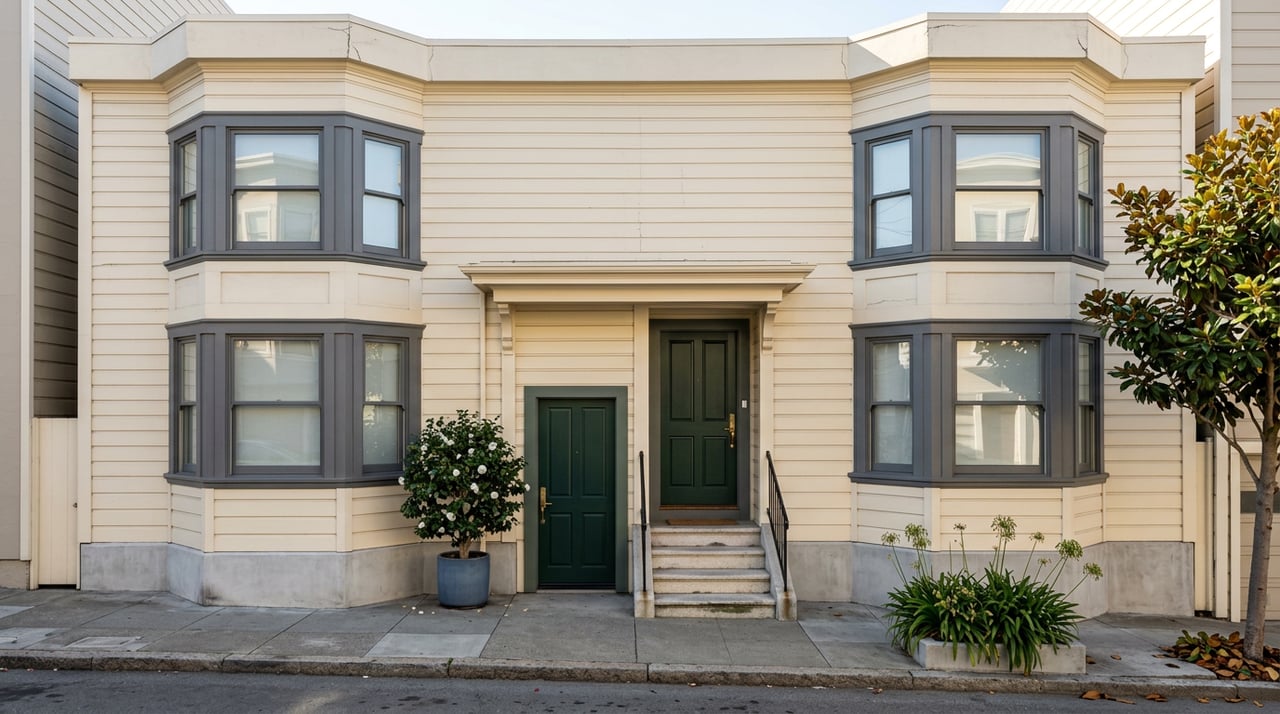
Noe Valley is a compact, low-rise housing market with 11,710 housing units, including 3,164 single-family homes and 5,133 two-to-four unit buildings, according to San Francisco Planning’s 2025 housing inventory. That matters because you are usually not competing with large new developments. You are competing with other smaller, often older homes where presentation has a big impact.
The neighborhood’s residential feel, walkability, and easy access to nearby commercial corridors help shape buyer expectations. In practical terms, many buyers are looking for comfort, calm, and a home that lives well day to day. That is why prep in Noe Valley is often less about dramatic renovation and more about making your home feel bright, functional, and cared for.
Start with light and layout
In many Noe Valley homes, natural light and circulation are a big part of the first impression. Older homes, split levels, and narrower floor plans can feel charming, but they can also feel closed in if the presentation is too heavy. Your goal is to make every room feel open, easy, and intentional.
Start by pulling back heavy window coverings and letting in as much daylight as possible. Remove bulky furniture that blocks walkways or makes rooms feel smaller. If a room has an awkward use now, redefine it so buyers can quickly understand how the space works.
Make each room read clearly
Buyers should not have to guess what a room is for. A spare room can read as an office, guest room, or nursery, but it should read as one clear thing at a time. Clean visual signals help buyers picture themselves living there.
This is especially important in homes with tighter footprints. If your dining area, entry, or upstairs landing is overloaded with furniture or storage, the home can feel more cramped than it really is. Editing is often one of the highest-return steps you can take.
Open up circulation paths
In a neighborhood known for comfortable, residential living, buyers tend to respond well to homes that feel easy to move through. Clear entry zones, wide-looking walkways, and unobstructed stairs make a difference. Even small changes in furniture placement can help your home feel more spacious.
If you have bikes, strollers, shoe racks, or extra storage near the entry, simplify that area before photos and showings. The entry sets the tone for the rest of the house. A clean, open first impression makes the whole home feel calmer.
Focus on cosmetic updates
Before you take on a major remodel, pause. Realtor.com’s Noe Valley market guidance suggests that minor cosmetic updates can help, while major renovations often do not return their full cost. In many cases, the smartest pre-sale work is visible, practical, and relatively low risk.
Think about the small things buyers notice right away. Fresh paint, updated lighting, clean cabinet hardware, minor landscaping, and basic repairs can signal pride of ownership. These details help a home feel move-in ready without overspending before a sale.
High-impact updates to consider
If you want a focused pre-listing checklist, start here:
- Fresh interior paint in light, neutral tones
- Updated light fixtures where rooms feel dim
- New or cleaned cabinet hardware
- Touch-up paint and patching for walls and trim
- Repair of loose handles, doors, drawers, and latches
- Deep cleaning of windows, floors, kitchens, and baths
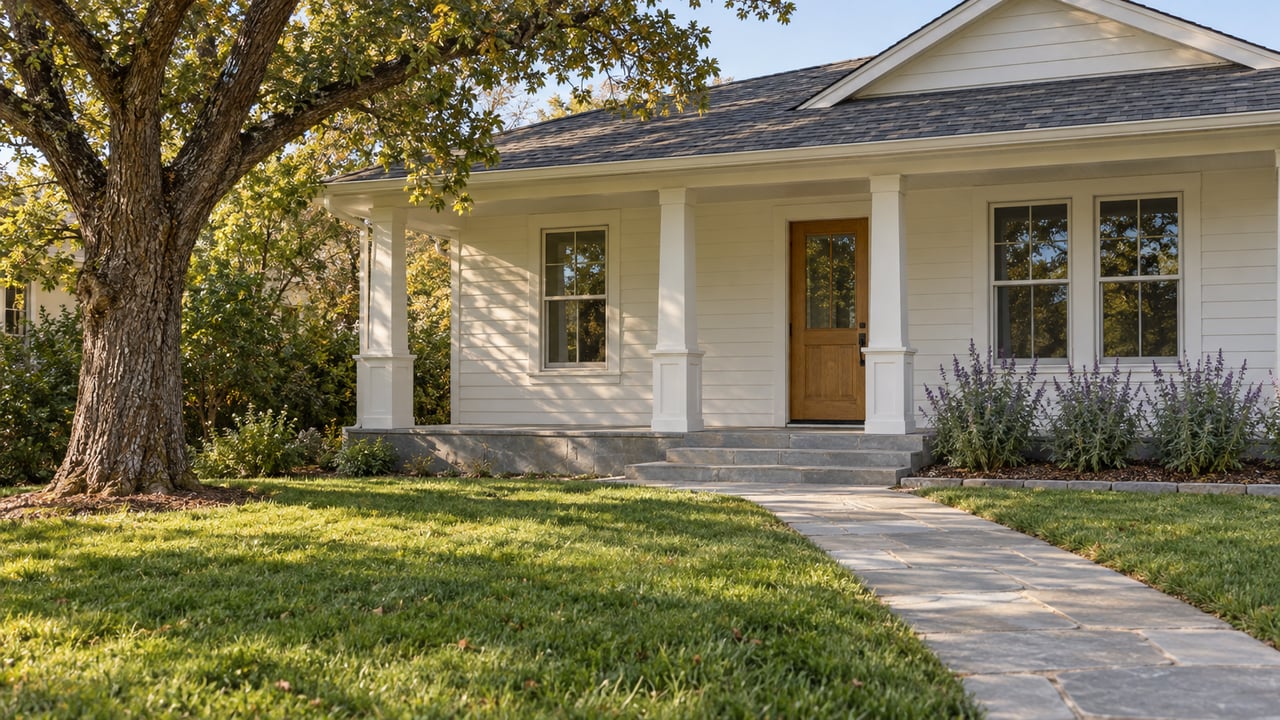
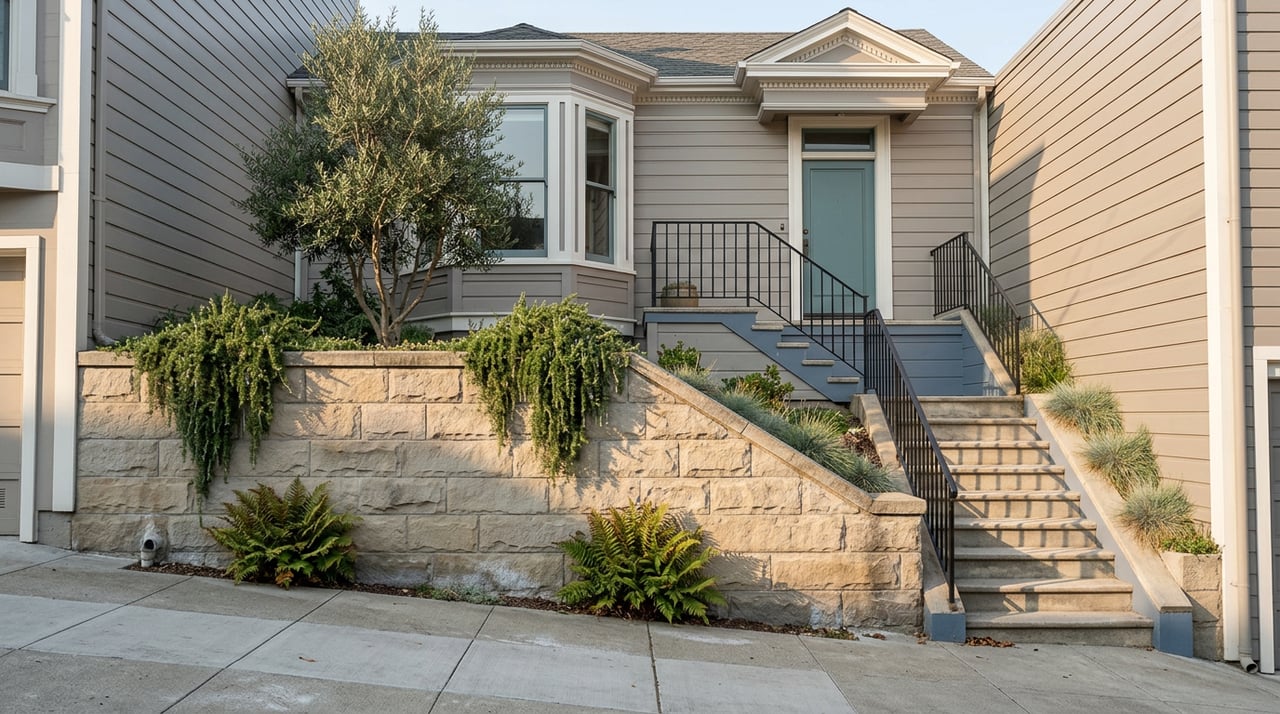
- Simple front-yard or entry landscaping refresh
These projects do not change the bones of the home. What they do is reduce distraction. That helps buyers focus on the home itself instead of the work they think they will need to do.
Use staging to show everyday ease
Noe Valley’s quiet streets and residential character make lifestyle presentation especially important. Staging should not feel formal or crowded. It should help buyers see an easy daily rhythm inside the home.
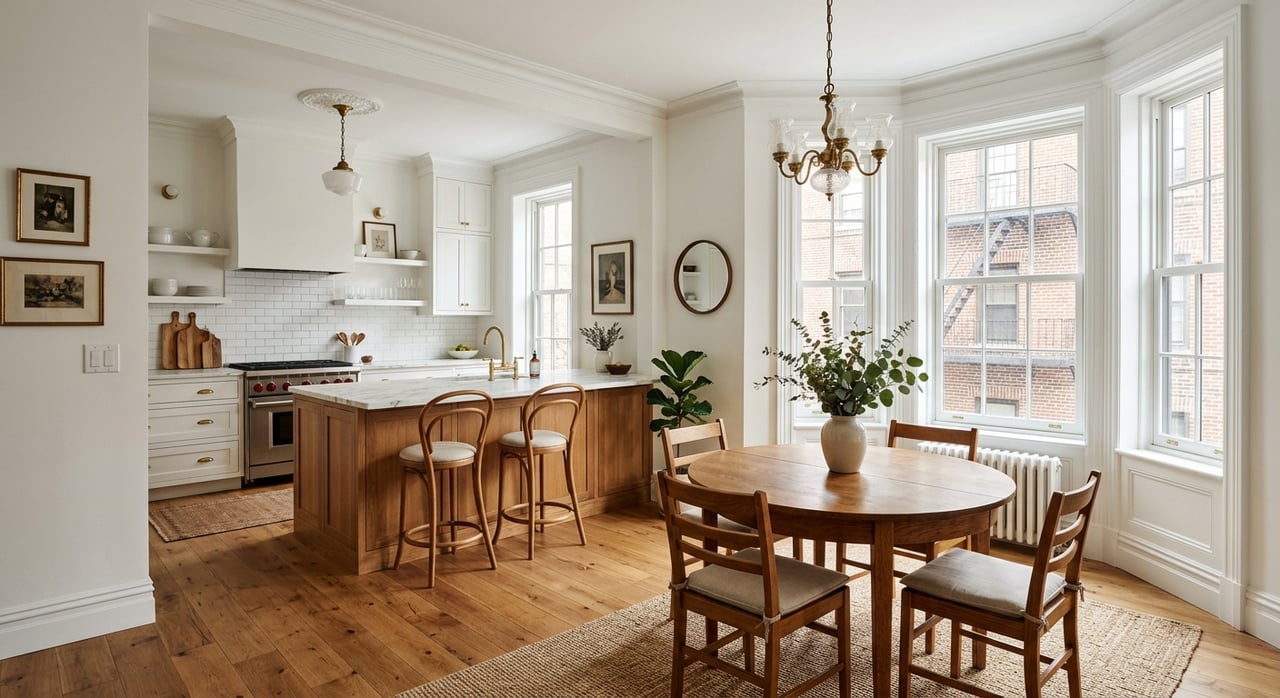
That often means creating open, useful spaces instead of filling every corner. A dining area should feel ready for regular use. A second bedroom might work best as a flexible office or nursery. The home should feel lived in enough to be relatable, but edited enough to feel spacious.
Keep staging simple and functional
In this neighborhood, practical staging often works better than dramatic staging. Buyers may respond well to a clear drop zone near the entry, an uncluttered family room, or a bedroom layout that leaves plenty of floor space. The goal is comfort and function, not excess styling.
If your home is smaller, resist the urge to show too much furniture. Fewer, well-scaled pieces usually photograph better and make the rooms feel larger. In Noe Valley, that can be a meaningful advantage.
Invest in strong listing media
Marketing materials are not just extras. They shape how buyers understand your home before they ever walk in. Zillow reports that homes with high-resolution photography, 3D Home virtual tours, and interactive floor plans sell for about 2% more than similar homes.
That matters even more for homes with narrow halls, split levels, or unusual room sizes. Good media helps buyers understand the layout, not just admire the finishes. When buyers can clearly see how the home lives, they are more likely to book a showing and arrive with stronger interest.
Why floor plans matter
A measured floor plan can answer questions before a buyer asks them. It can clarify room relationships, show the flow between levels, and make smaller spaces easier to understand. In a neighborhood where many homes have distinct layouts, that clarity can reduce hesitation.
Photography should also support that story. Bright, well-composed images can emphasize volume, natural light, and usable space. The goal is not to oversell. It is to present the home honestly and strategically.
Time your sale carefully
Timing can support price, speed, or both. Zillow’s 2026 timing research says San Francisco’s strongest listing premium tends to fall in the last two weeks of May, with about a 1.9% premium, or roughly $23,000 on a typical home. The same research points to spring as the stronger season for expensive West Coast markets like San Francisco.
Local numbers back that up. SFAR’s March 2026 report shows countywide single-family homes averaging 20 days on market in March compared with 34 days in January. In District 5, which includes Noe Valley, single-family homes averaged 12 days on market with just 0.7 months of supply in March 2026.
Plan backward from launch day
Most sellers start thinking about moving 3 to 4 months before listing. That timeline makes sense in Noe Valley, especially if you need paint, repairs, staging, photography, or a floor plan. A rushed launch can weaken your first week, and the first week often matters most.
A practical approach is to start prep in winter if you hope to launch in late spring. That gives you time to make smart decisions, avoid expensive last-minute work, and go live with your best presentation already in place.
Consider a midweek debut
Redfin notes that San Francisco is a market where weekday broker’s opens are common. Its research also says Wednesday may support price, while Thursday may support speed. That means a midweek launch can work well, even if your main public open houses happen over the weekend.
For sellers, the takeaway is simple. Your launch plan should not just be about when the sign goes up. It should be about when your photos, floor plan, showings, and open-house schedule all work together.
Prepare for pricing conversations
Even a beautifully prepared home needs disciplined pricing. In a market as local as Noe Valley, the most useful pricing discussion is grounded in relevant comparable sales and current buyer behavior. Strong presentation can increase demand, but it cannot fix an unrealistic asking price.
Current pricing remains strong. Zillow placed Noe Valley’s average home value at $2,138,021 as of April 30, 2026, up 11.9% year over year, while Redfin reported a median sale price of $2.275 million in March 2026 with homes going pending in about 11 days. Those numbers show momentum, but they do not mean every home should stretch beyond the evidence.
Ask the right questions before you list
If you are choosing a listing agent, the conversation should go beyond commission or marketing promises. You want to know how that agent thinks about preparation, pricing, buyer feedback, and the specific challenges your home may present. In Noe Valley, details matter.
Here are smart questions to ask:
- Which comparable sales are you using for pricing: Noe Valley only, or the broader District 5 market too?
- What would you leave alone, and what would you insist I fix before listing?
- How will you tell whether the main issue is light, layout, or price?
- Which cosmetic updates usually perform best at my price point?
- Will you provide professional photography, a measured floor plan, and a 3D tour?
- What is your broker’s open and weekend open-house plan for a Noe Valley listing?
- How will you position the home for likely buyers without over-staging it?
- If buyer feedback centers on layout or light, what is your plan: adjust presentation, adjust price, or both?
- How often will you update me on traffic and market feedback after launch?
The best listing strategy is usually calm, honest, and specific. You want a plan that tells you what to do, what not to do, and how each choice supports your final result.
Selling a home in Noe Valley is rarely about doing everything. It is about doing the right things in the right order. When you focus on light, flow, cosmetic polish, clear marketing, and disciplined timing, you give your home the best chance to stand out in a fast-moving neighborhood market.
If you are getting ready to sell and want a candid, strategic plan tailored to your home, Suzy Reily can help you prepare with clarity and confidence.
FAQs
How should I prepare a Noe Valley home before listing?
- Focus first on light, room flow, decluttering, deep cleaning, small repairs, and simple cosmetic updates like paint, lighting, and hardware.
What updates matter most for a Noe Valley sale?
- Minor cosmetic improvements often make the most sense, especially fresh paint, updated lighting, minor landscaping, and repairs that show careful ownership.
When is the best time to sell a home in Noe Valley?
- Research in 2026 points to late spring as a strong window for San Francisco sellers, with local March data also showing faster market times than January.
Do I need staging for a Noe Valley listing?
- Staging can help if it makes the home feel brighter, more open, and easier to understand, especially in smaller or older homes with tighter layouts.
Why does a floor plan matter when selling a Noe Valley home?
- A measured floor plan helps buyers understand room size and layout, which is especially useful in homes with split levels, narrow halls, or less conventional floor plans.
How fast are homes selling in Noe Valley?
- Redfin reported that in March 2026, Noe Valley homes went pending in about 11 days, showing that strong presentation from the start can matter a lot.