If you’re planning a move to San Francisco, Eureka Valley can look simple on a map and feel very different once you start walking it. That is often the challenge with relocation moves. You want a neighborhood that feels calm and livable, but you also need to understand how street activity, transit, parks, and older housing can shape daily life. This guide will help you get a clearer feel for Eureka Valley’s micro-areas, housing, and everyday rhythm so you can make a more confident decision. Let’s dive in.
Why Eureka Valley Feels Layered
Eureka Valley is best understood as a group of distinct micro-areas rather than one uniform neighborhood. San Francisco Planning materials describe the broader Eureka Valley and Castro area as a layered district, where the feel of one block can shift quickly as you move from a lively commercial corridor to a quieter residential street.
That matters when you are relocating from outside the city. A home listed as being in Eureka Valley may feel closer to the Castro’s active street life, more tucked into interior residential blocks, or more connected to Duboce Triangle. In practical terms, your block choice can matter just as much as the neighborhood name.
Eureka Valley Micro-Areas to Know
Castro and Upper Market
Castro Street between Market and 19th Streets is one of San Francisco’s best-known commercial districts. San Francisco Planning notes that the corridor has seen streetscape improvements including widened sidewalks, repaving, lighting, street trees, ADA curb ramps, and bike parking.
For you, that can mean an active, polished, and distinctly urban environment. It is often the most public-facing part of the neighborhood, with stronger transit access and more foot traffic than the interior blocks.
Duboce Triangle
Duboce Triangle sits just north of Market Street and is bounded by Market, Duboce, and Castro. Planning materials describe it as a separate district with mixed single-family and multi-family frame housing developed between the 1870s and early 1900s.
This area can offer a different feel from the Castro commercial core. You may still have convenient access to transit and city amenities, but the housing pattern and block experience can shift quickly.
Eureka Valley Proper
Planning materials describe Eureka Valley proper as bounded by Market, Dolores, 16th, and Noe Streets. The area includes moderate- to high-density late-19th- and early-20th-century frame residential development, along with several school campuses.
If you are searching for a calmer day-to-day setting, this is where it becomes especially important to compare one street to another. Some blocks may feel more residential and tucked away, while others may still be influenced by nearby transit routes or commercial activity.
What the Housing Stock Is Really Like
Eureka Valley’s housing is shaped by its history. San Francisco Planning notes that the area was laid out in the mid-1850s, then developed more heavily in the 1890s and early 1900s. It was also largely spared by the 1906 earthquake and fire, which helps explain why so much older housing remains.
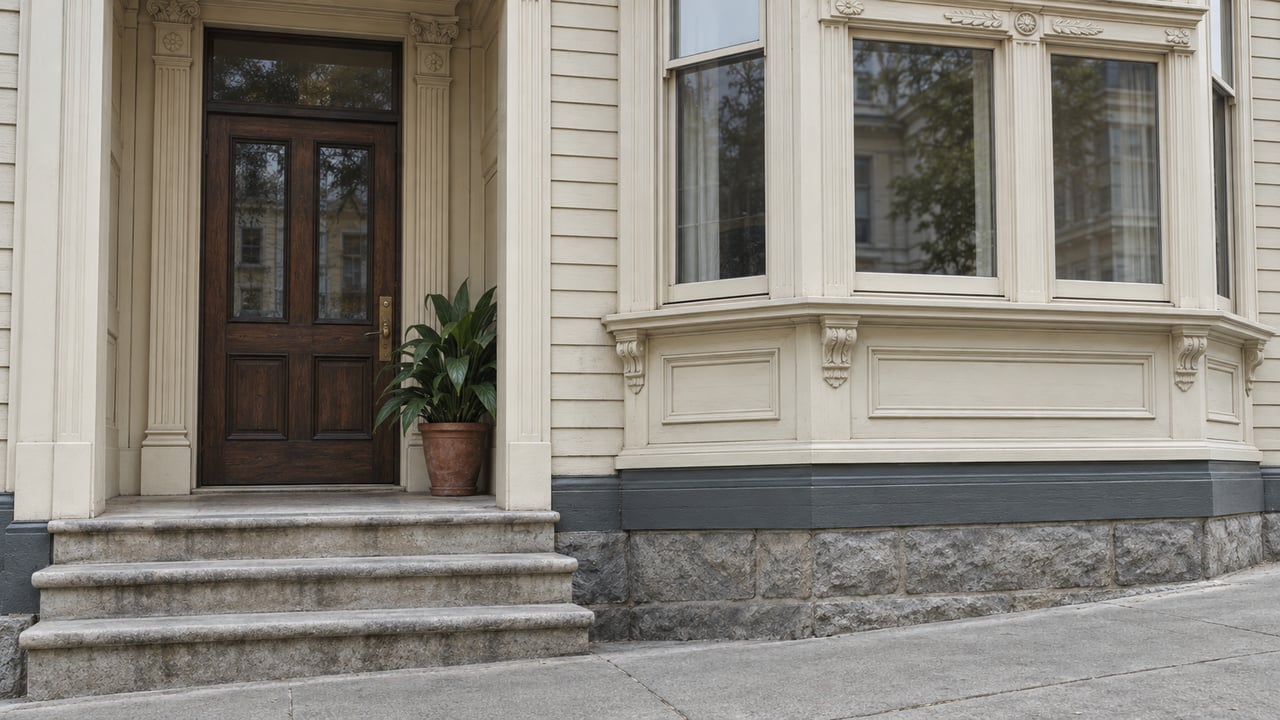
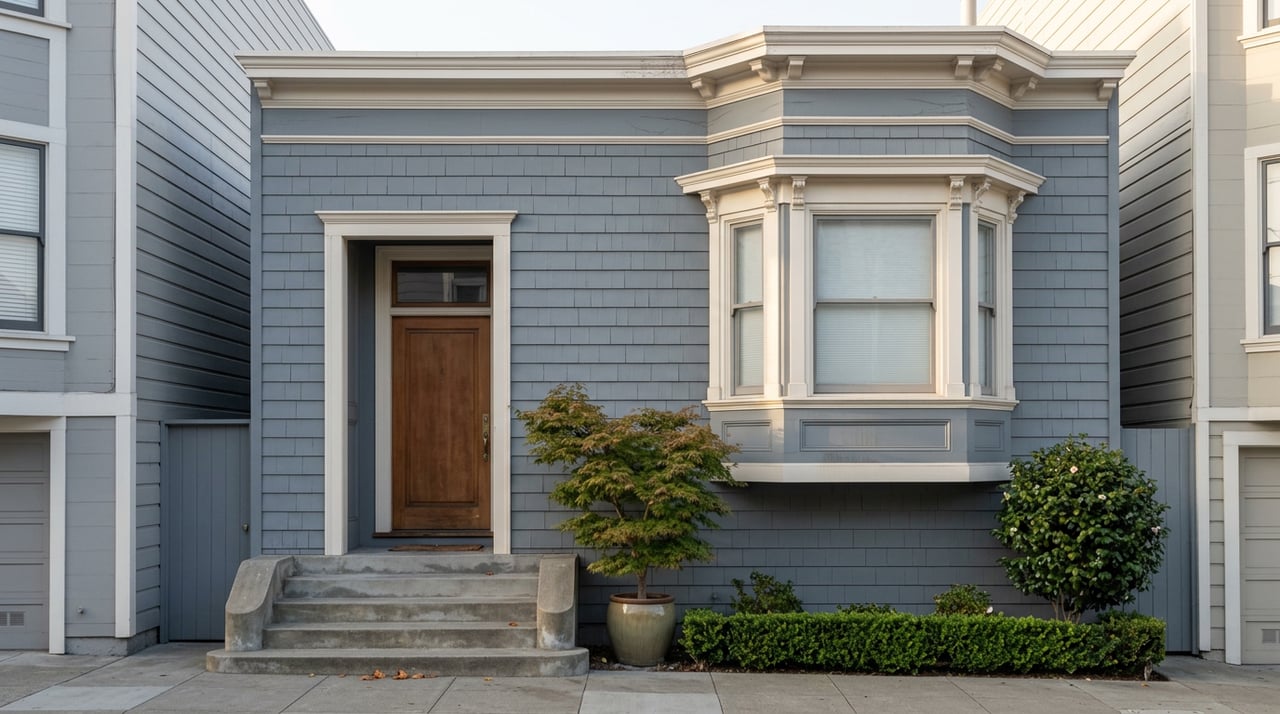
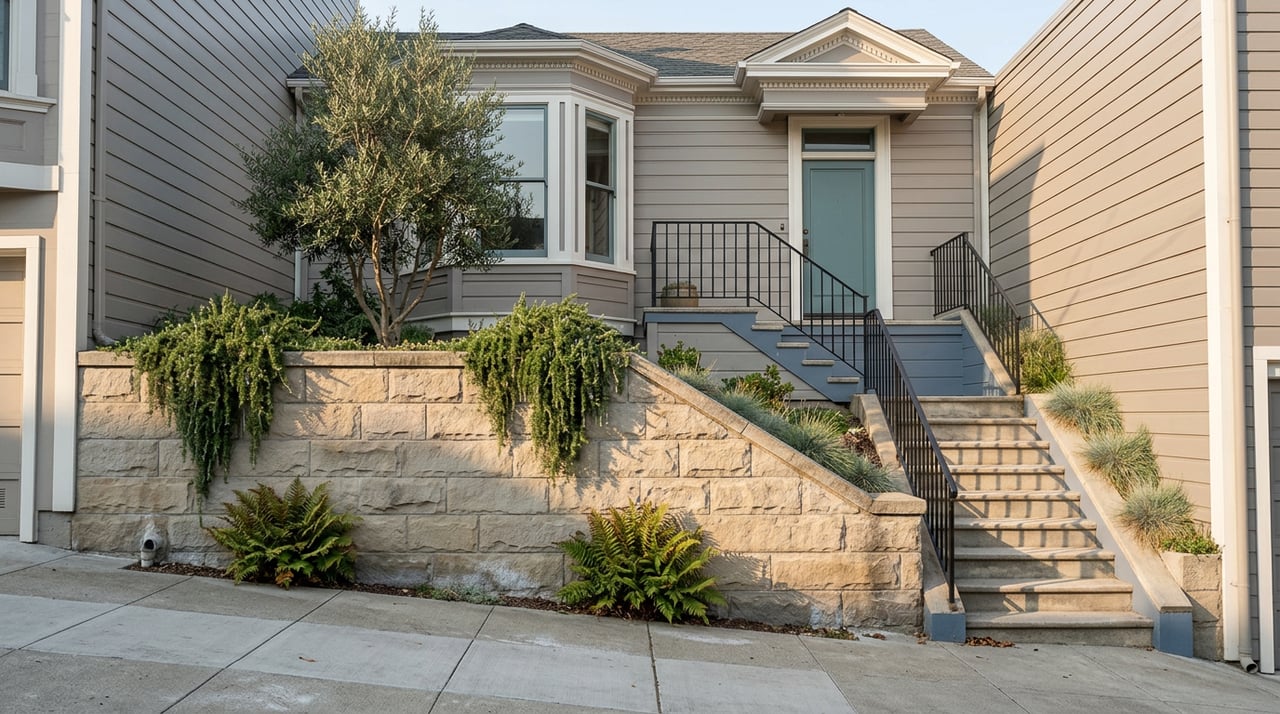
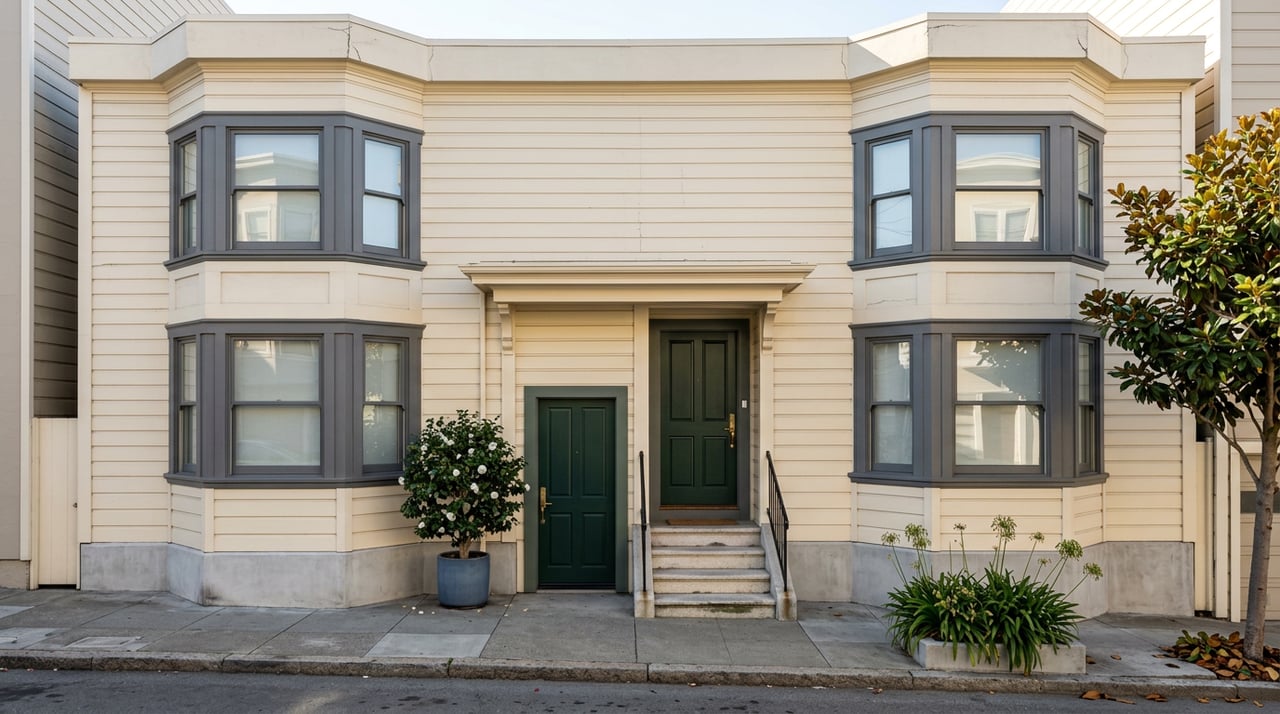
As you tour homes, you are likely to see low-rise Edwardian flats and apartments, surviving Victorian residences, and a mix of 1920s- and 1930s-era buildings. In some areas, especially near Market Street, later development added denser apartment buildings. On open hillside or hilltop parcels, there are also some mid-century modern or contractor-modern homes.
This variety is part of the neighborhood’s appeal, but it also means two homes a few blocks apart can live very differently. Building age, layout, stairs, light, and access can vary sharply, so it helps to focus on the exact property and block rather than making assumptions based on the area alone.
What Daily Life Can Feel Like
Walkability and errands
The Castro and Upper Market corridor is the busiest part of the local experience. It serves as a major neighborhood commercial district, and the Castro Community Benefit District focuses on sidewalk cleaning, graffiti removal, enhanced safety services, and support for special events.
That can make the area feel vibrant and well maintained, but also more active than some relocation buyers expect. If your definition of calm includes quieter sidewalks and less street energy, you may want to compare these blocks with interior streets before deciding.
Parks and open space
Parks are a meaningful part of daily life in and around Eureka Valley. Duboce Park includes an off-leash dog area, playground, basketball court, picnic area, and restrooms.
Mission Dolores Park spans nearly 16 acres and includes lawns, tennis courts, a playground, basketball and multi-use courts, and two off-leash dog play areas. For many residents, these parks offer a strong contrast to the busier edge blocks near Market and Castro.
Transit in Eureka Valley
If you want strong transit access, Eureka Valley has important advantages. Castro Station and other underground Muni Metro stations are accessible by elevator, according to SFMTA’s accessibility guide.
The J Church serves the Castro and Upper Market area. The N Judah serves Duboce and Church and continues downtown to 4th and King for Caltrain. F Market & Wharves serves 17th and Castro and runs through downtown toward the waterfront and Fisherman’s Wharf.
SFMTA also describes the Muni Metro station corridor as one of San Francisco’s highest-ridership transit corridors, with more than 87,000 riders daily. That is helpful if you value connectivity, but it is also a reminder that homes near major transit corridors may come with more activity, noise, and movement.
How to Find a Calmer Fit
If your goal is a calm move to Eureka Valley, the best approach is not to rule the neighborhood in or out too quickly. Instead, compare different micro-areas and block types with your real daily habits in mind.
A park-adjacent block may feel very different from a Market-facing one. An interior residential street may feel more private than a home near the Castro commercial strip. In Eureka Valley, small shifts in location can change your experience of noise, privacy, parking pressure, and pace.
How to Tour Eureka Valley Smartly
Test the neighborhood at different times
The safest approach is to visit at multiple times of day and on different days of the week. Start on a quieter interior street, then walk the Castro commercial area, then compare a Duboce Triangle block, a park-adjacent block, and a Market-facing block.
That side-by-side comparison can tell you far more than photos or a listing description. In a neighborhood with older housing and strong transit access, timing and block position matter.
Questions to ask on any tour
When you tour a home in Eureka Valley, ask practical questions that affect daily comfort:
- Does the unit face the street, an alley, or an interior courtyard?
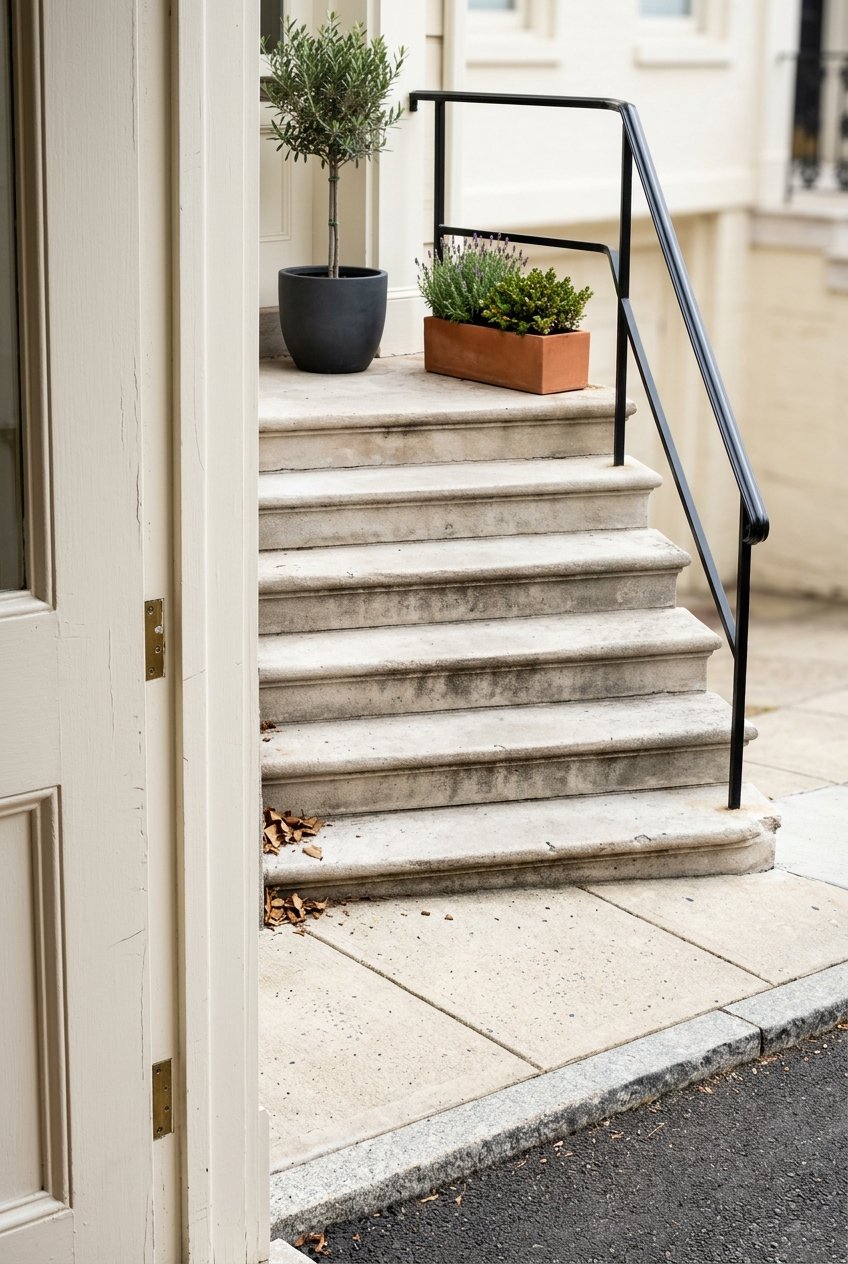
- How many stairs are there, and is there an elevator?
- What is the parking setup, and how easy is entry and exit?
- How much sound comes from transit, foot traffic, street cleaning, or nearby commercial uses?
- Are laundry, storage, bike parking, trash, and recycling convenient?
- Have major building systems been updated recently?
- Is there any historic or landmark status that could affect future exterior work?
What to request in a remote tour
If you are relocating from outside San Francisco, remote touring details matter even more. Ask for a live walk from the front door to the nearest transit stop or park, exterior street audio, a daylight view and an evening view, and a look from every window.
It also helps to see the building entry, parking, storage, and common areas clearly. Those everyday details can narrow the gap between a polished listing presentation and what living there will actually feel like.
Is Eureka Valley Right for You?
Eureka Valley can be a strong fit if you want classic San Francisco housing, access to parks, and excellent transit connections. It can also work well if you appreciate neighborhood variety and are willing to evaluate homes block by block.
The key is to match the right micro-area to your comfort level with street activity, transit energy, and older-building tradeoffs. If you take a calm, strategic approach, Eureka Valley can become much easier to understand and much easier to judge as a real long-term fit.
If you’re planning a move and want grounded guidance on how Eureka Valley compares block by block, Suzy Reily can help you evaluate the details that matter most and navigate the process with clarity.
FAQs
What is the difference between Eureka Valley and the Castro for relocation buyers?
- Eureka Valley is best understood as a broader layered area that includes different micro-areas, while Castro and Upper Market refers to the more active commercial corridor centered on Castro Street between Market and 19th Streets.
What kinds of homes are common in Eureka Valley, San Francisco?
- Buyers will often see low-rise Edwardian flats and apartments, surviving Victorian homes, 1920s- and 1930s-era buildings, and some later denser apartment buildings near Market Street.
What parks are near Eureka Valley for everyday use?
- Duboce Park and Mission Dolores Park are two important nearby open spaces, with amenities that include lawns, play areas, courts, restrooms, and off-leash dog areas.
What transit serves Eureka Valley in San Francisco?
- The area is served by Castro Station, the J Church, the N Judah near Duboce and Church, and the F Market & Wharves line at 17th and Castro.
How should remote buyers evaluate a home in Eureka Valley?
- Remote buyers should ask for a live walk of the block, exterior audio, daylight and evening views, window views, and clear video of the entry, parking, storage, and common areas.
Why does one block in Eureka Valley feel different from another?
- The neighborhood combines older housing, busy transit corridors, parks, and active commercial streets, so even short distance changes can affect privacy, noise, parking, and overall pace.